
Social Media and Mental Health

Body Dismorphia

Social media plays a major role in how people see themselves and make decisions about their health. Apps like Instagram and TikTok are filled with edited photos and “perfect” bodies, which can create unrealistic expectations.


Constant comparison can lead to mental health challenges, especially body dysmorphia, anxiety, or stress about weight and appearance. These concerns can drive unhealthy habits, such as extreme dieting. This can prevent individuals from seeking help.


When individuals feel pressured to look a certain way, their health decisions may shift from what is medically safe to what feels socially acceptable. This is where strong health communication makes a difference.


Clear, supportive messaging, both from healthcare providers and trusted organizations, can counter harmful content online. Sharing body-positive images, accurate health information, and reminders that every body is different can promote self-confidence and healthier choices. Social media isn’t going away, but with the right communication strategies, it can become a tool for improving mental and physical well-being rather than harming it.

Isolation

Social media is supposed to connect us us. For many individuals it results in greater feelings of solitude. Studies indicate that extensive use of these platforms, passive browsing and the online comparison culture, can worsen feelings of loneliness and isolation. This is why the way we discuss media is important. By encouraging a balance in screen time use, promoting in-person interactions, and raising awareness of mental-health risks, we can help people use digital tools in healthy ways. While social media may connect us, true connection comes from genuine relationships, shared experiences, and community.
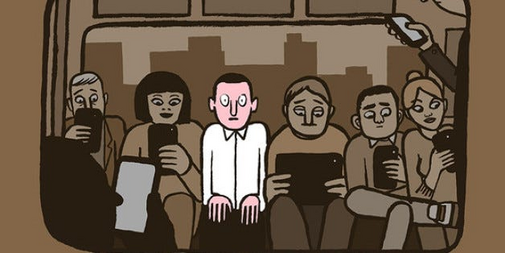

https://medium.com/@orendac/do-phones-make-you-feel-isolated-from-society-4840a25afd15